Local Finds
5 Very Filipino Random Items from Shopee, Lazada and TikTok
Some products feel universal. Others feel aggressively, specifically, unmistakably Filipino.
The kind of item where one look is enough and your brain immediately fires off a recognition signal that bypasses language entirely and goes straight to something deeper — some combination of memory, culture, and shared experience that just says: yes. Someone from the Philippines made this, for people from the Philippines, and no further explanation is required or expected.
They are weird. They are funny. They are oddly specific in ways that somehow make them feel more necessary than things that are trying to appeal to everyone. Because the best products are often the ones that know exactly who they are for and lean into that completely, without apology and without qualification. These five items do exactly that. Here are five very Filipino random finds from Shopee, Lazada, and TikTok Shop that feel chaotic, familiar, and honestly — kind of essential.
#1 The Sinigang Keychain That Carries Emotional Support
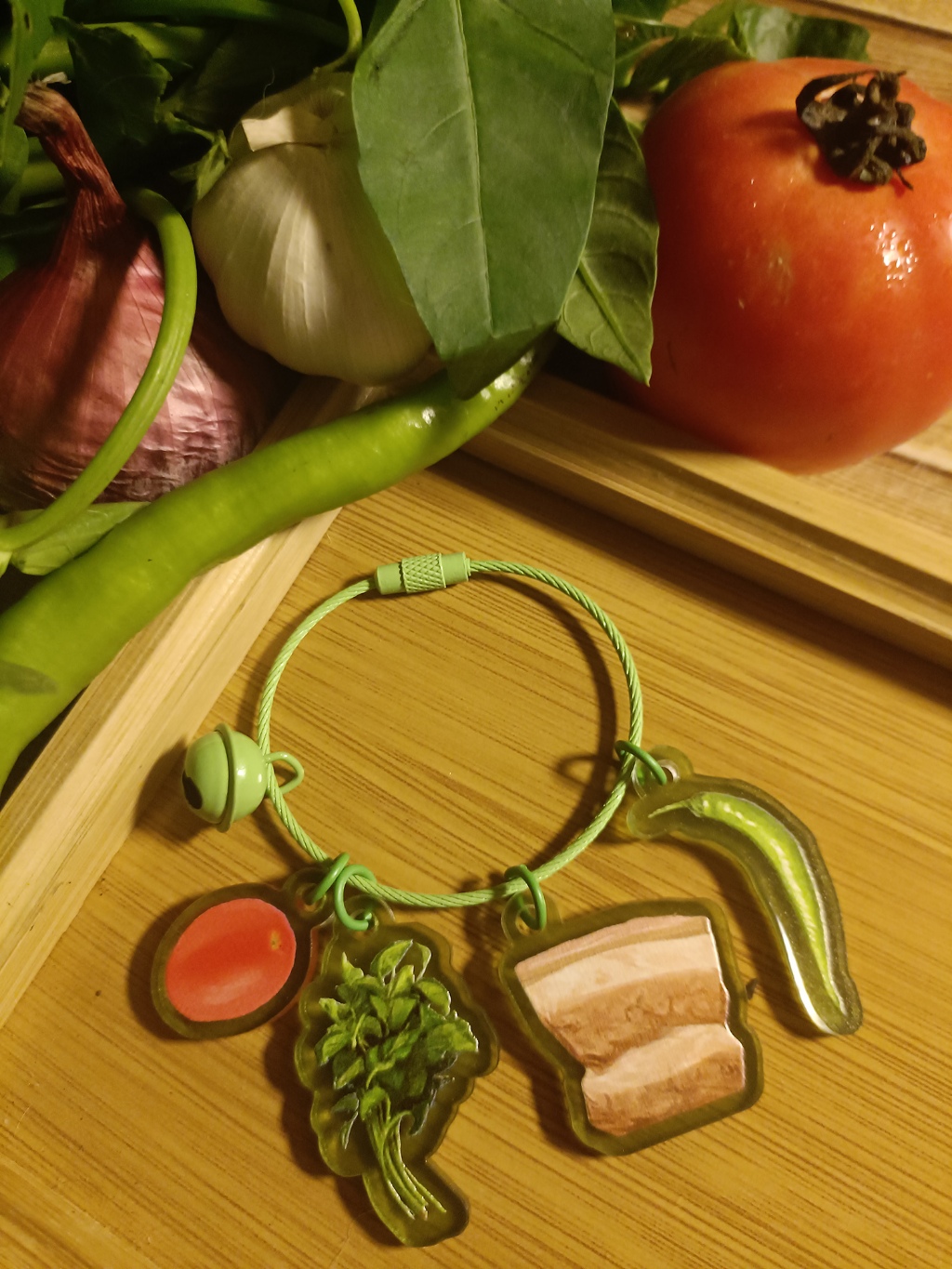
Some people carry luxury bag charms. Designer logos, gold initials, little leather tags that suggest a certain kind of effortless sophistication. Others carry sinigang. And while both are valid lifestyle choices, only one of them has tamarind energy, which is a quality that no amount of money can manufacture and no Italian design house has yet figured out how to bottle.
This is not a tiny bowl of sinigang — it is better than that. It is the individual components: a little piece of pork, a sprig of kangkong, a long green chili, a tomato, all rendered in miniature and hanging from your keys like your favorite ulam decided one day that it deserved to be an accessory and simply made it happen. The detail is what gets you. This is not a vague food-shaped charm. This is sinigang — specifically, unmistakably, the exact visual shorthand that every Filipino brain processes before the conscious mind even has time to catch up.
It feels ridiculous for approximately three seconds, and then it feels correct. Because Filipinos do not simply eat sinigang — we have opinions about sinigang. Loud, specific, deeply personal opinions about the souring agent, the protein, the vegetables, the ratio of asim to everything else. Sinigang is not just a dish; it is a position. Carrying one on your bag is less decoration and more declaration — a small, portable statement about where you stand and what you consider non-negotiable in this life.
If comfort food had a smaller, more portable form that could accompany you through the day without requiring a bowl or a spoon or access to a dining table, this would be it. Your keys deserve flavor. Your bag deserves culture. And honestly, any accessory that causes a fellow Filipino to look at your keychain and immediately say sinigang before they can stop themselves is an accessory doing its job perfectly.
#2 The Kulambo Foot Net That Somehow Helps Filipinos Sleep Better
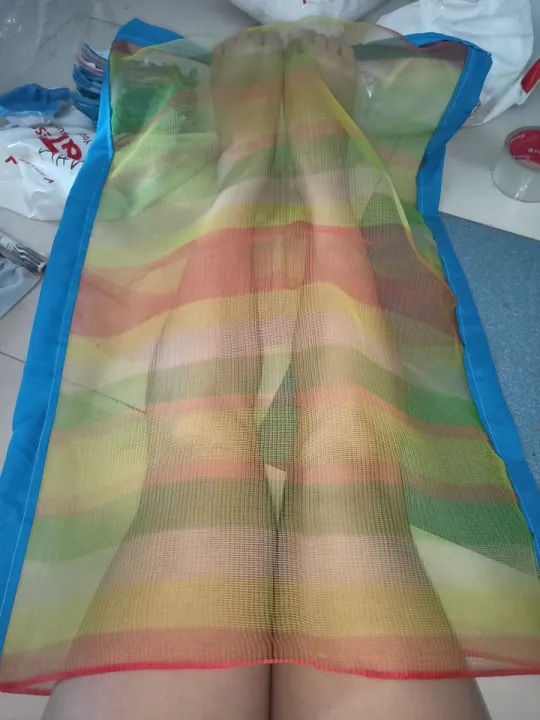
If you did not grow up in the Philippines, this product looks completely unhinged. A small net. For your feet. That you wrap around them while sleeping. No further context is offered because no further context is considered necessary by the people selling it, because the people selling it know exactly who they are selling it to, and that person already understands.
If you did grow up in the Philippines, there is a very good chance you either use one of these, know someone who does, or grew up in a household where this was simply part of the bedtime infrastructure — as unremarkable as a pillow, as expected as a blanket, as essential to the sleep process as whatever combination of conditions your body has decided it requires in order to finally, fully, commit to unconsciousness for the night.
This is not really about mosquitoes, although the mosquito protection is a legitimate bonus that should not be dismissed. It is about texture. About the specific sensation of something wrapped around the feet that tells the nervous system that the day is done and permission has been granted to stop. Sleep scientists would probably have interesting things to say about the sensory regulation happening here. What we can say more simply is that some people bring one of these when they travel — packed alongside their toiletries and their charger and whatever snacks they managed to fit — because sleeping in an unfamiliar place is hard enough without also doing it with unprotected feet.
It sounds fake until you meet someone whose sleep quality has a direct and measurable relationship with this product. Then it sounds like the most sensible thing in the world. Sleep is not a luxury. Sleep is survival. And if your feet need a kulambo for emotional closure before your brain will agree to shut down for the night, then that is not a quirk — that is a system, and it works, and this product respects it completely.
#3 The Pancit Canton Phone Case That Understands Priorities
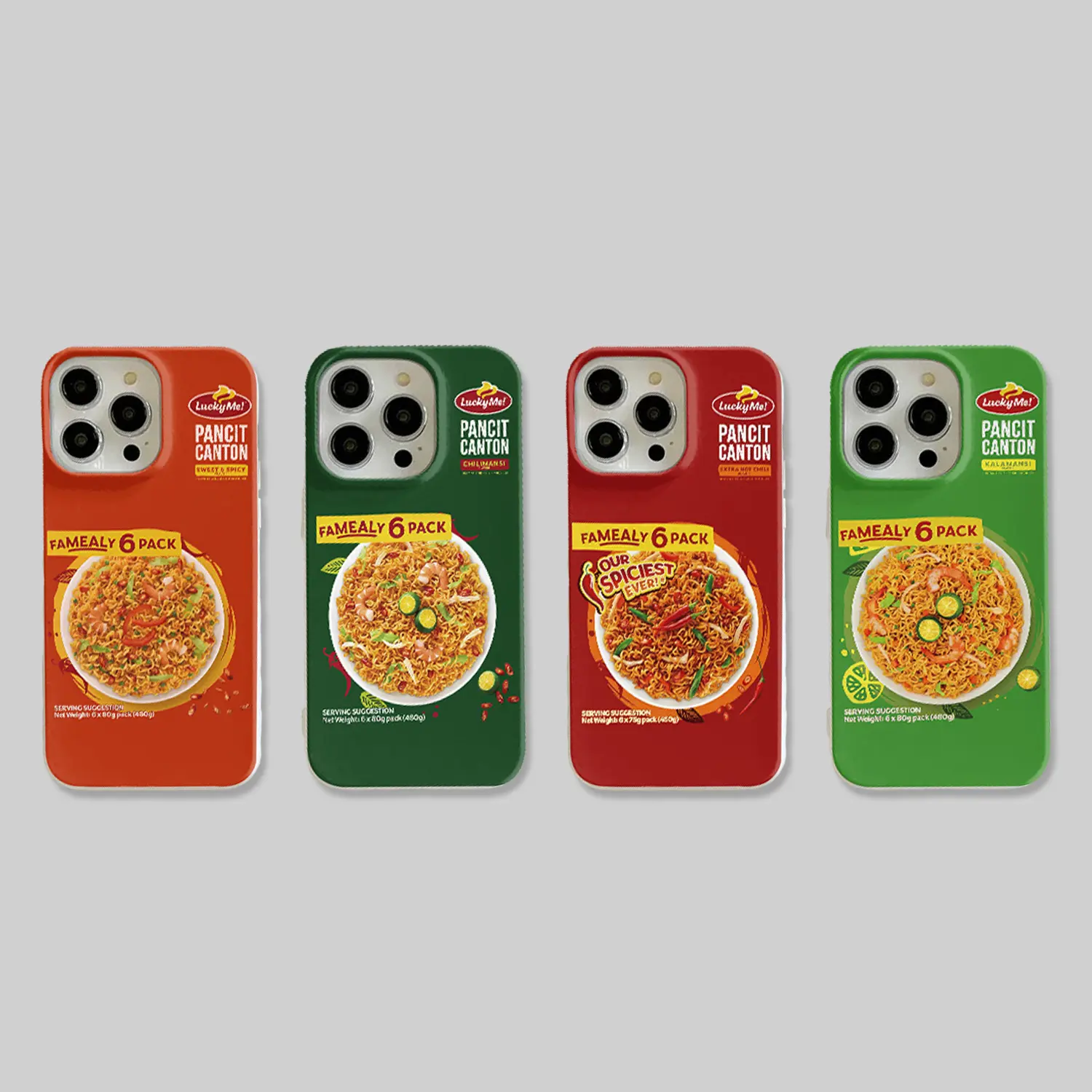
Some people protect their phones with sleek, minimalist cases in muted tones that communicate a certain quiet sophistication. Clean lines. Subtle texture. The aesthetic of a person who has their life organized and their notifications managed and their screen time under control. Others choose pancit canton. And the second group, it must be said, consistently seems to be having more fun.
Pancit canton is not simply food. It is a category of experience. It is the 11pm decision made with zero regret. It is the college meal that got you through deadlines and heartbreak and the specific despair of a 7am class on four hours of sleep. It is the emergency plan that lives in the cabinet for when everything else has fallen through, reliably available, requiring nothing but hot water and approximately three minutes of your time, delivering more comfort per peso than almost any other item in the Philippine grocery landscape. Lucky Me did not just create a product. Lucky Me created a cultural institution. And carrying that institution on your phone feels, once you see it, like the most natural thing in the world.
The phone case captures the packaging faithfully — the colors, the logo, the specific visual shorthand that every Filipino recognizes before they have finished reading the label. It is funny because it is accurate, and it is accurate because it is specific, and it is specific because it was made by people who understood that pancit canton is not just a flavor preference but an emotional position. People who love pancit canton love it with a loyalty that is slightly disproportionate to its price point and completely appropriate to its role in their lives.
As an accessory it does everything a good conversation piece should do. It gets noticed. It gets commented on. It produces immediate recognition in every Filipino who sees it and a slightly confused but interested reaction in everyone else — which is, honestly, the ideal response profile for any item you carry in public. Functional, funny, and deeply relatable for anyone whose relationship with instant noodles stopped being about convenience a long time ago and became something closer to identity.
#4 The Witty Chips Keychain That Looks Suspiciously Familiar
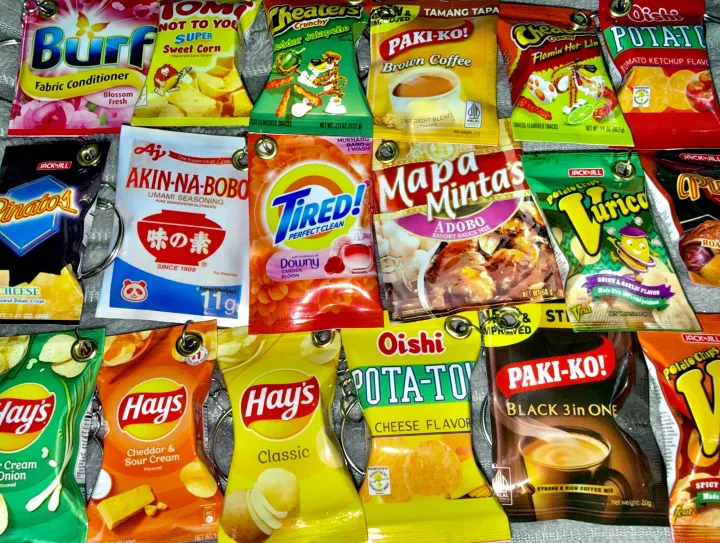
It looks like chips. Specifically, it looks like the kind of chips that came in small plastic bags and cost exactly the right amount to be purchased with whatever coins were left over after the jeepney fare. And that specificity — that precise calibration to a very particular Filipino childhood memory — is what makes it hit differently than a generic snack keychain would.
There is a very specific feeling that this keychain is trying to capture, and it captures it accurately. The feeling of checking your pocket between classes and finding enough change. The deliberate walk to the school canteen or the nearby tindahan with a destination already in mind. The moment of exchange — coins for snack, transaction complete, happiness secured — and the walk back with something small and salty and completely satisfying in your hand. It is not a complicated feeling. It is not a profound one. But it is real, and it is shared by a significant portion of the Filipino population, and objects that can reliably produce that feeling in miniature form are doing something genuinely valuable.
The keychain is small, which is correct, because the memory it represents is also small — not small in importance, but small in the way that the best childhood memories often are. Specific. Sensory. Tied to a particular combination of time and place and the exact weight of coins in a school uniform pocket. Some accessories are stylish. Some are expensive. Some communicate status or taste or aspiration. This one communicates something rarer — a shared experience, a cultural touchpoint, a tiny plastic reminder that some of the best things in life cost exactly enough to be bought with whatever you had left.
#5 The Red Horse Coin Bank That Feels Financially Questionable
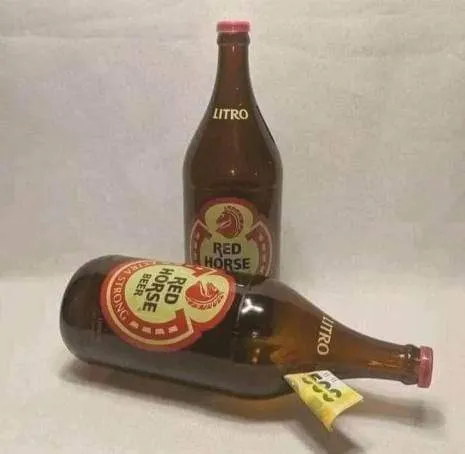
Saving money is important. Financial discipline is a virtue. Building good habits around budgeting and long-term planning is something adults are supposed to do and occasionally actually manage. Doing all of this inside something that looks exactly like a Red Horse litro bottle is — and there is no other word for it — a very specific choice that communicates a very specific energy, and that energy is unmistakably, fluently, deeply Filipino.
In the Philippines, this bottle is not just a container. It is a whole social occasion compressed into glass. One glance and the entire scene assembles itself automatically in your head: the barkada gathered somewhere that is neither too formal nor too far, the plastic chairs arranged in the configuration that says we are staying for a while, someone producing cups from somewhere, the confident declaration of isang litro lang that has never once, in the entire history of Filipino inuman culture, actually meant isang litro lang. The Red Horse litro is a promise and a beginning, and this coin bank is a miniature monument to everything that promise represents.
The confusion it produces in people who see it for the first time is part of the product. They look at it and think: decoration. A bottle, displayed somewhere, suggesting a personality. And then they look again and realize it opens, and it is a coin bank, and your savings are living inside a Red Horse bottle on your shelf, and your financial planning has somehow become simultaneously responsible and deeply on-brand for someone whose barkada still owes them money from three inumans ago.
Some coin banks are designed to inspire discipline. Clear jars where you can watch the savings grow. Piggy banks in the shapes of animals that suggest wholesomeness and good habits. This coin bank does not inspire discipline, exactly. It inspires a kind of cheerful, self-aware pragmatism — the acknowledgment that saving money is important and also that doing it inside a Red Horse bottle is funnier and more motivating than doing it inside something that takes itself seriously. The priorities are not confused here. They are simply ordered correctly.
Want more?
These are just 5 of the weird and wonderful things we've found. There's a lot more where that came from.
Browse All Finds →